
Heart & Vascular Health

Cardiovascular disease — which includes several heart and blood vessel conditions — is the No. 1 killer in the United States. If you or a loved one is living with heart and vascular disease or has a high risk of developing it, we can help.
At the Norma Melchor Heart & Vascular Institute, we offer advanced heart, vascular and stroke care at every stage, from prevention, diagnosis and treatment through rehabilitation. Our heart care experts work together to deliver comprehensive care — from community education and prevention to diagnosis and treatment. Whenever possible, we use the least invasive treatments to promote healing, limit complications and lower risk.
Our cardiovascular expertise and dedication to our patients has earned us awards, accolades and professional accreditations, but our greatest accomplishment is helping people achieve optimal health.
Comprehensive Heart Care, Locally
The Institute provides the kind of care you expect to find at a large medical center, with the added comfort and convenience of your neighborhood hospital. We offer:
- Advanced, minimally invasive treatments to clear blocked blood vessels and restore blood flow.
- Sophisticated diagnostic technology in our advanced echocardiography lab, offering the latest tools for diagnosing disease and planning treatment.
- Heart attack care expertise, earning us specialty designation as a STEMI Receiving Center.
- Specialized care for heart rhythm disorders in our electrophysiology lab. We offer minimally invasive ablation therapy and the latest implantable devices to treat arrhythmias, including the WATCHMAN™ Implant.
- A nationally certified heart and lung rehabilitation program — the first in the region — offering comprehensive recovery services.
- Community education and outreach programs, screenings and special services — such as our South Asian Heart Center — to help people at high risk for heart disease and diabetes.
- Access to some of the latest therapies through clinical trials.
- Monthly women's cardiac support group for women living with heart disease.
Made Possible by the Melchors
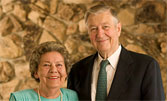
The Norma Melchor Heart & Vascular Institute was named for Norma Melchor, long-time philanthropist and hospital volunteer. Learn More.
Read About Our Clinical Outcomes for Heart and Vascular Care